
Emergency
Removal.
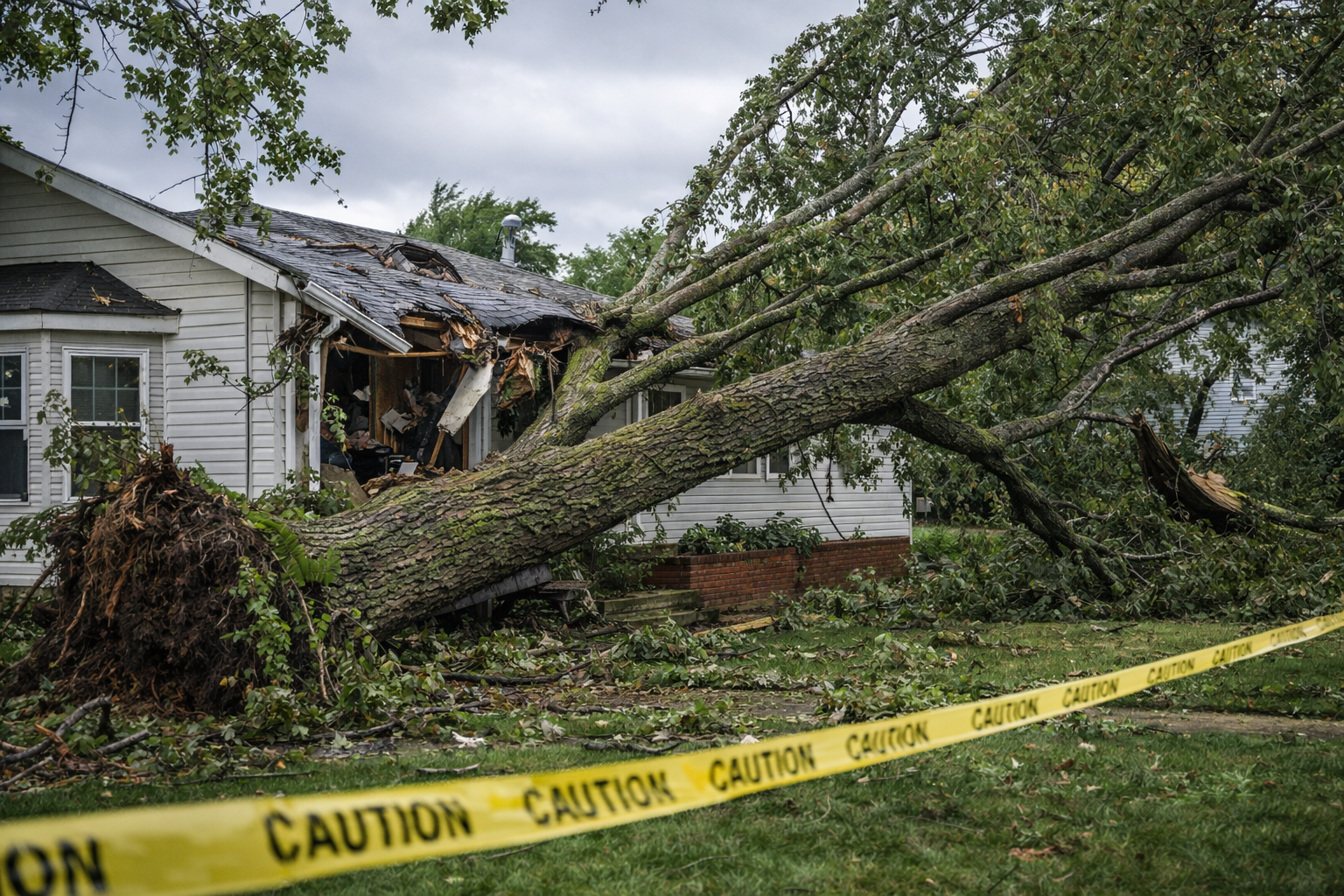
Immediate arbor-surgery for hazardous lean, storm damage, and fallen timber. We stabilize the threat to protect your estate.
Immediate
Mitigation.
When extreme weather hits, compromised trees pose an immediate threat. Time is the most critical factor.
Our units bypass standard scheduling, deploying specialized equipment within hours to dismantle hazards safely.
Do Not Attempt.
Kinetic Energy
Fallen trees are under tension. Cutting the wrong branch can cause the trunk to roll or snap violently.
Hidden Power Lines
Downed canopies often conceal live wires. Approaching without proper protocols is deadly.
Insurance Voids
DIY removal from a structure can result in secondary damage that insurers may refuse to cover.
Navigating
Insurance.
We provide the meticulous documentation your claims adjuster needs so you can focus on recovering.
Photographic Evidence
We document the site entirely before and after extraction to prove the extent of the damage.
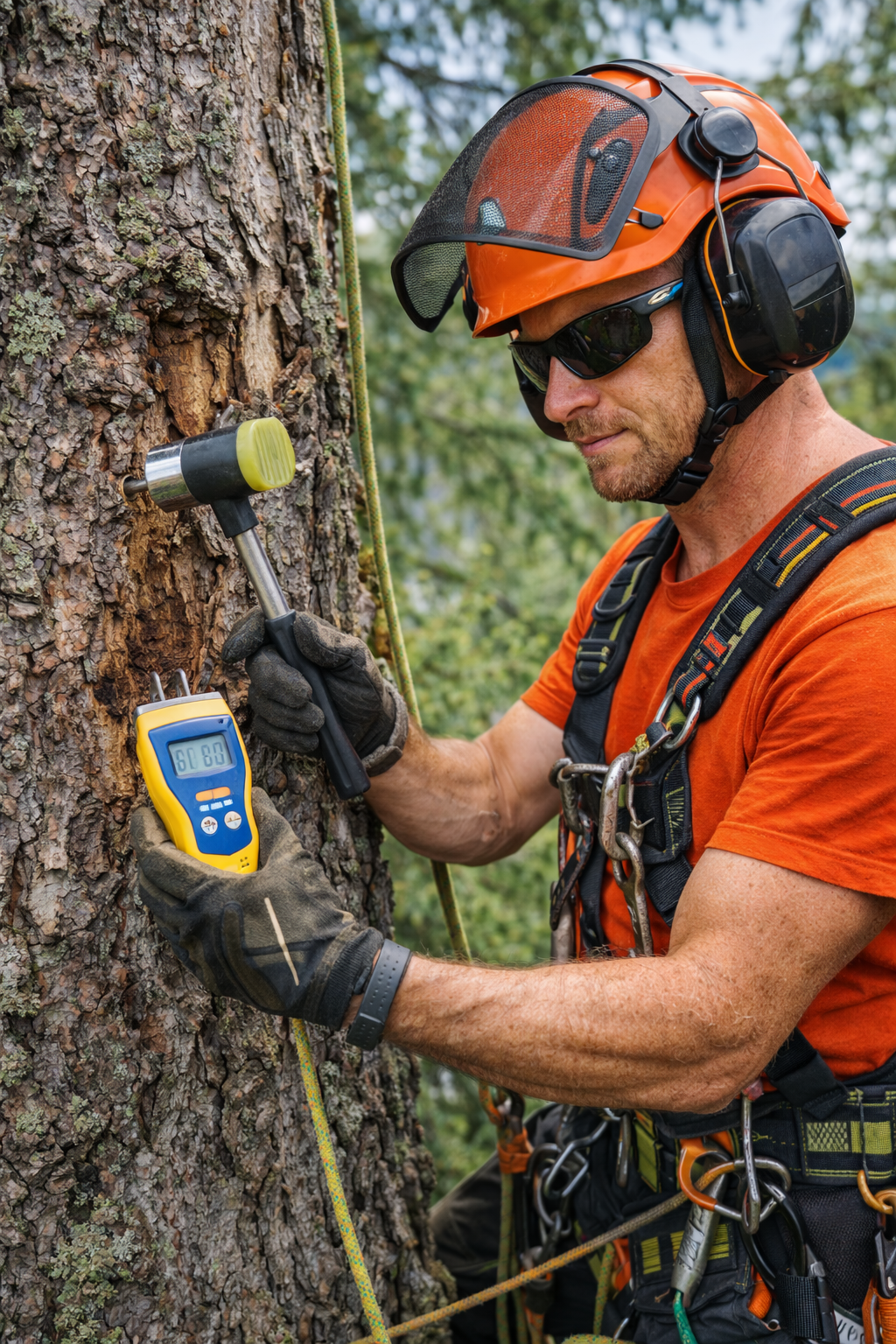
Arborist Diagnostics
We provide professional statements regarding the cause of failure to assist adjusters.
Emergency Tarping
We immediately secure compromised roofs with heavy-duty tarps to prevent secondary water damage.
Direct Invoicing
In many cases, we can work directly with your homeowners insurance to streamline the process.
Crisis
Operations.
Storm Damage Clearing
Rapid extraction of fallen trees resting on roofs or blocking primary property access.
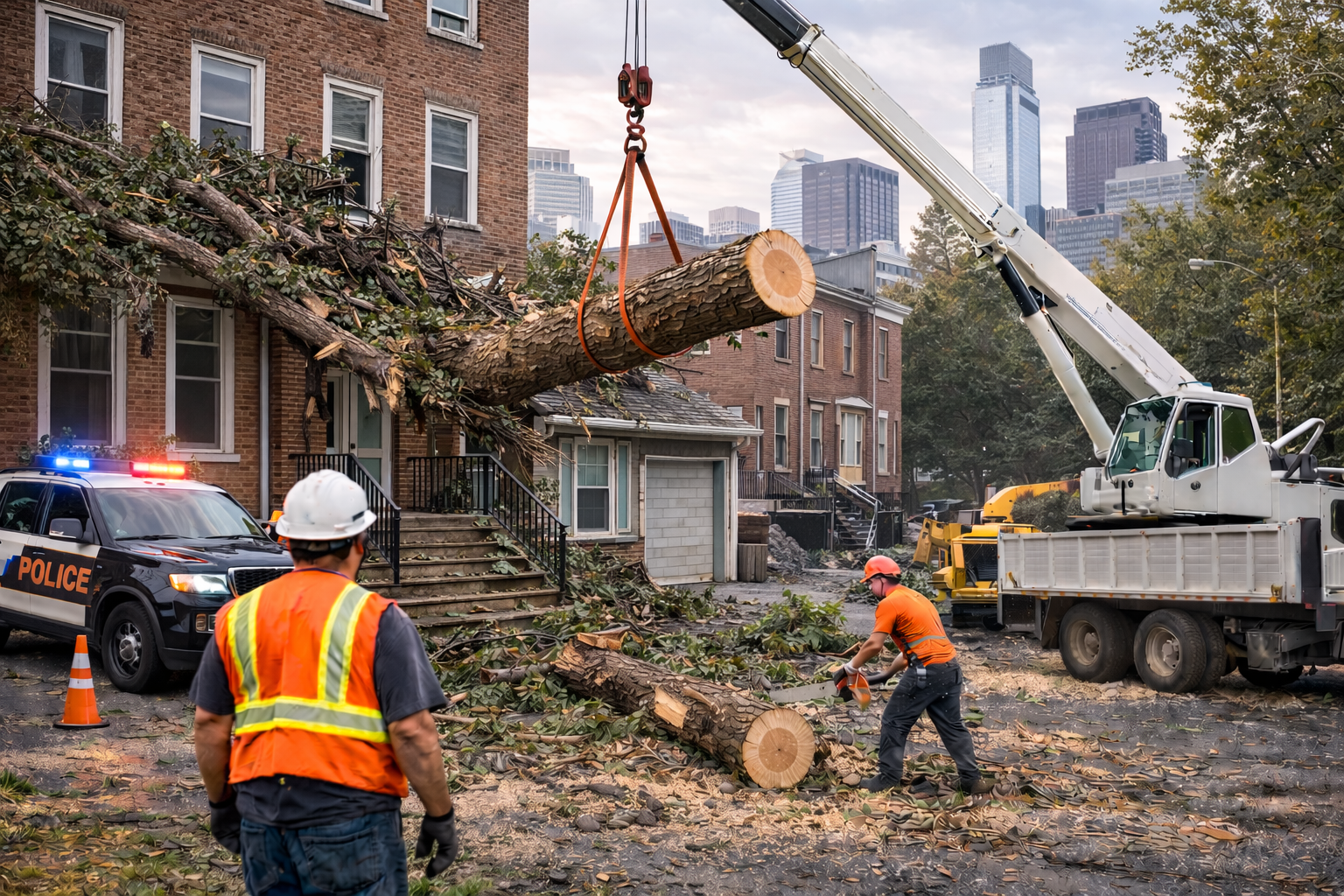
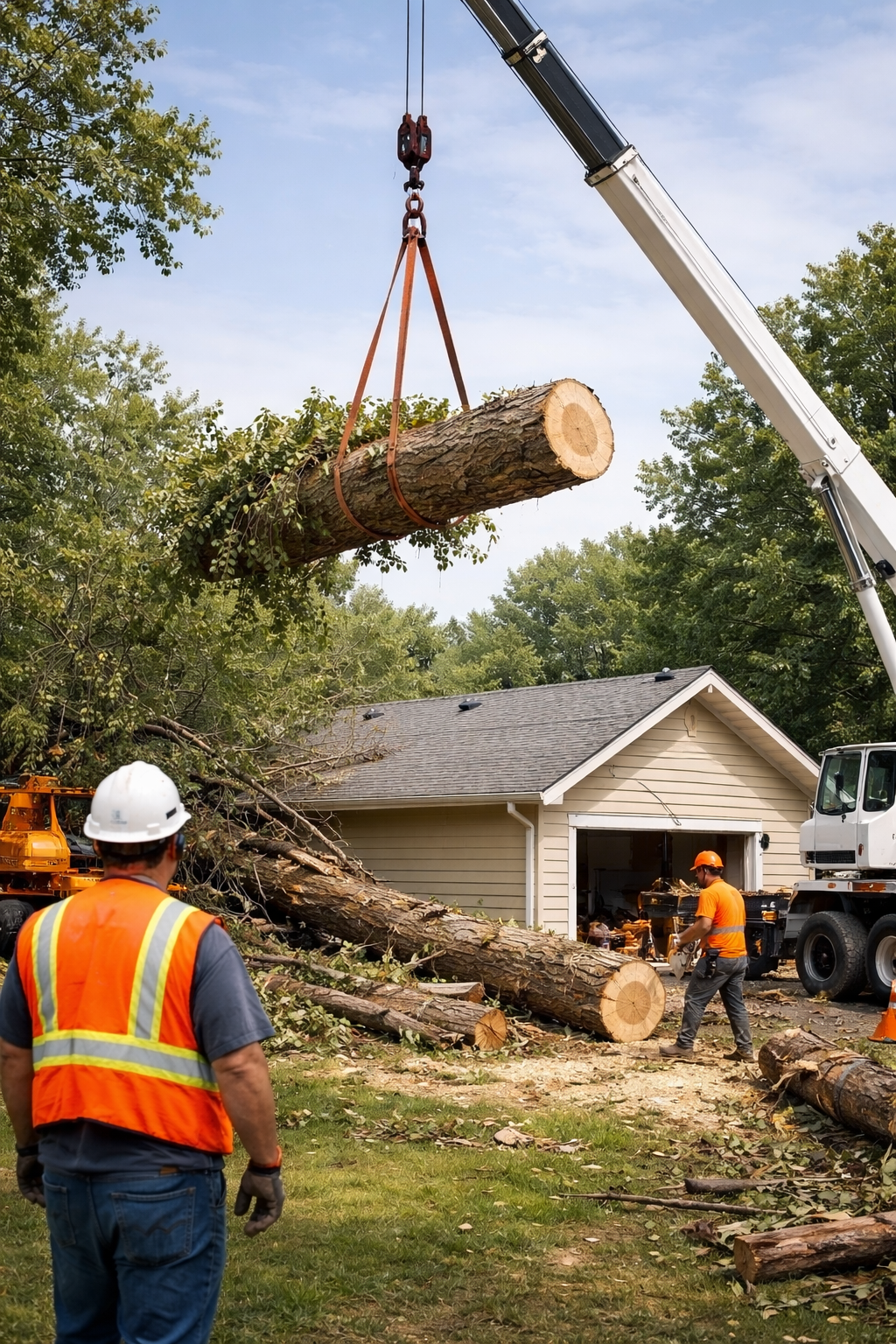
Crane-Assisted Rigging
Heavy-lift crane operations to safely remove massive timber without property impact.
Hazardous Lean
Emergency stabilization of trees showing signs of imminent root or trunk failure.
Live-Wire Proximity
Surgical canopy dismantling near utility lines using specialized high-voltage safety protocols.
Structural Tarping
Post-removal emergency roof tarping to prevent interior water damage for adjusters.
Complete Restoration
Immediate debris hauling followed by stump grinding and grade restoration.
The
Technical.
Common Questions.
Will my homeowners insurance cover tree removal?
Is it safe to cut the branches off a fallen tree myself?
How fast can you get a crew out here?
Do you remove the stump after an emergency removal?
Dispatch
Command.
Do not attempt to clear hazardous timber yourself. Contact our emergency dispatch center immediately for priority arborist deployment.
716.709.1440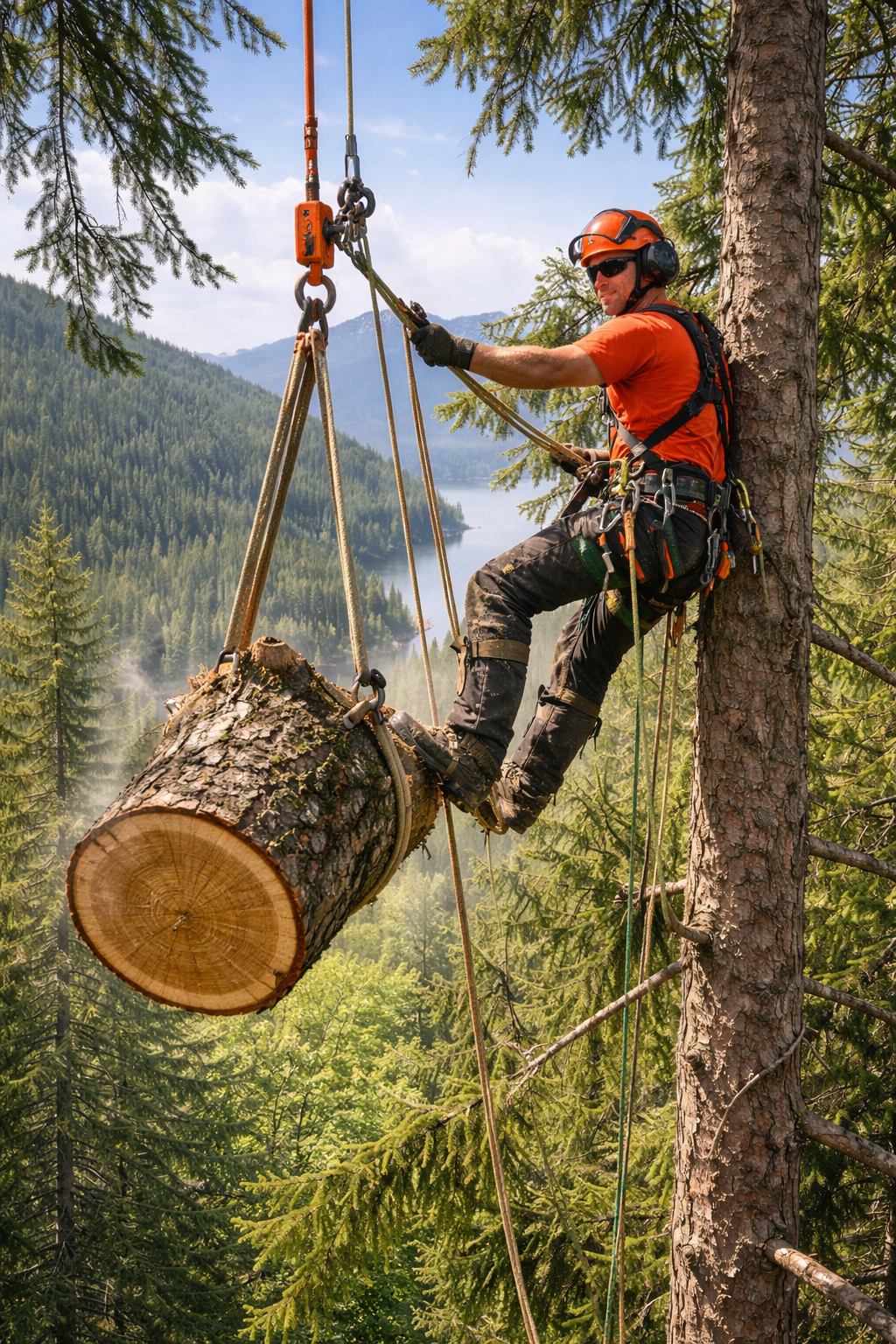
Emergency tree service is about stabilizing hazards quickly and making the site safe to access again.
After wind, ice, or heavy snow events, damaged trees can create urgent risks for homes, driveways, power access, and pedestrian areas. Emergency response has to focus on hazard control first, followed by organized cleanup and next-step planning for any remaining structural issues on the property.
Immediate Hazard Reduction
Broken limbs, split trunks, and trees resting on structures need controlled removal methods that prioritize safety and site protection.
Post-Storm Site Recovery
Once the immediate hazard is handled, cleanup, follow-up pruning, stump grinding, or replanting may still be needed to fully restore the property.
Useful Documentation
Clear assessment and cleanup records help homeowners and managers organize repairs, insurance discussions, and later tree work.
For Buffalo-area properties, emergency tree service needs to be fast, controlled, and practical under pressure. The priority is restoring safety first, then helping the property move toward full recovery.
Explore the next service that fits your property.
Many projects overlap. These services are commonly scheduled together to improve curb appeal, safety, and year-round property care.
Tree Services
Follow emergency response with long-term pruning, removal, and canopy care planning.
Stump Grinding
Complete the cleanup process after emergency removals with stump removal support.
Tree Trimming & Pruning
Reduce future storm risk with corrective pruning after hazardous tree incidents.