Biological
Defense.
Protect your landscape investment with scientific diagnostics, targeted treatments, and proactive disease mitigation protocols.
Diagnose &
Protect.
Western New York's canopy faces constant biological threats—from invasive insects like the Emerald Ash Borer to pervasive fungal infections. Waiting for visible decline is often too late.
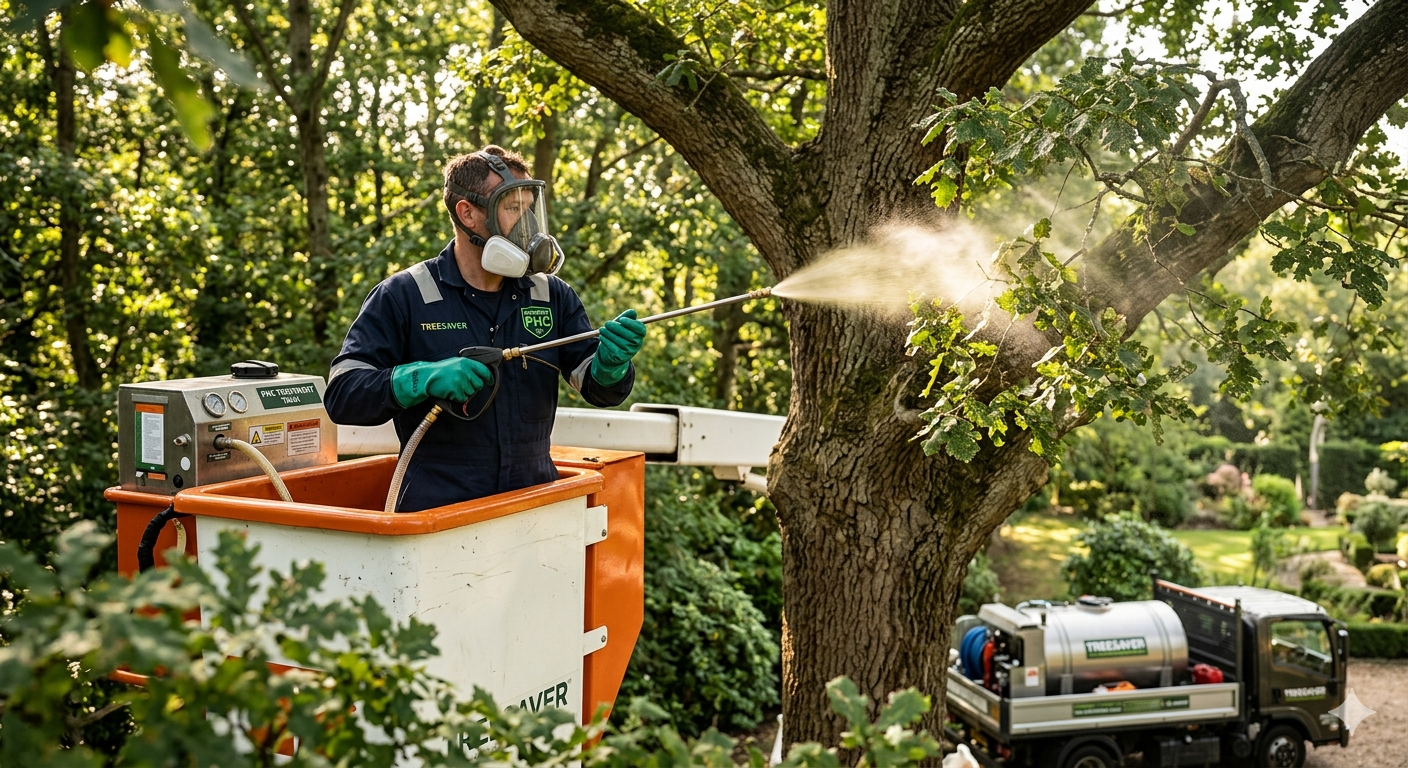
Our Plant Health Care (PHC) programs are fundamentally proactive. We utilize science-based diagnostics to identify pathogens at the microscopic level, applying highly targeted, eco-conscious treatments.
Regional Threats.
We monitor and neutralize the most aggressive biological threats currently devastating residential and commercial landscapes in the Buffalo area.
Emerald Ash Borer (EAB)
A highly destructive, invasive beetle whose larvae feed on the inner bark of ash trees, disrupting water and nutrient flow.
Needle Cast Diseases
Fungal infections (like Rhizosphaera) that cause spruce and pine trees to turn brown and prematurely drop their interior needles.
Spotted Lanternfly
An invasive sap-feeding insect that heavily stresses trees and excretes honeydew, leading to black sooty mold growth.
Apple Scab
A pervasive spring fungus affecting crabapples and fruit trees, resulting in dark, scabby lesions and severe summer defoliation.
Oak Wilt
An aggressive, fast-acting vascular disease that can kill a mature oak tree within a matter of weeks if not properly managed.
Scale Insects & Aphids
Microscopic, sap-sucking pests that drain tree vitality and leave behind sticky residues that damage underlying property.
The Scientific Process.
Diagnostic Profiling
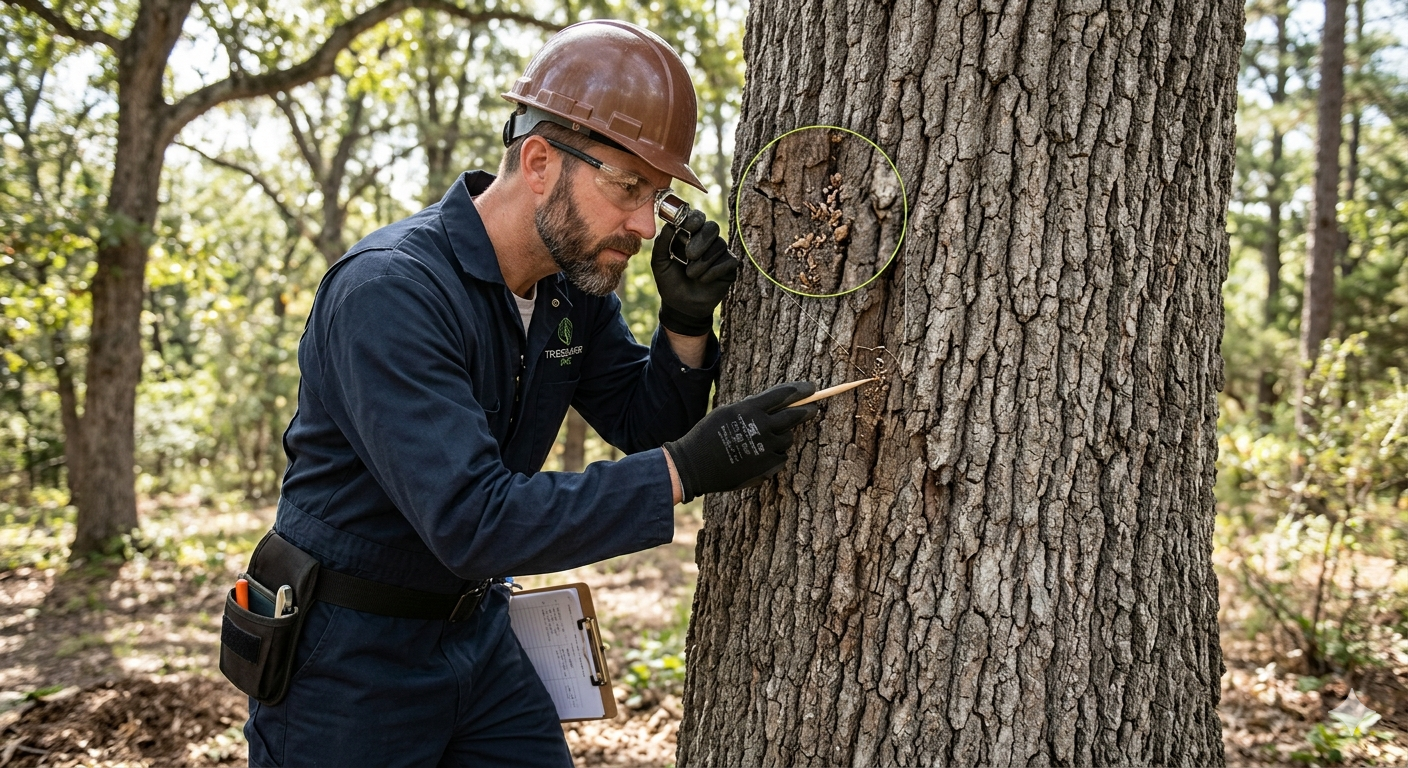
Our arborists examine foliar symptoms, trunk integrity, and soil compaction to identify the root cause of the decline—not just the visible symptoms.
Lab & Soil Analysis
When necessary, we take soil and tissue samples to test for microscopic pathogens and precise nutrient deficiencies.
Targeted Application
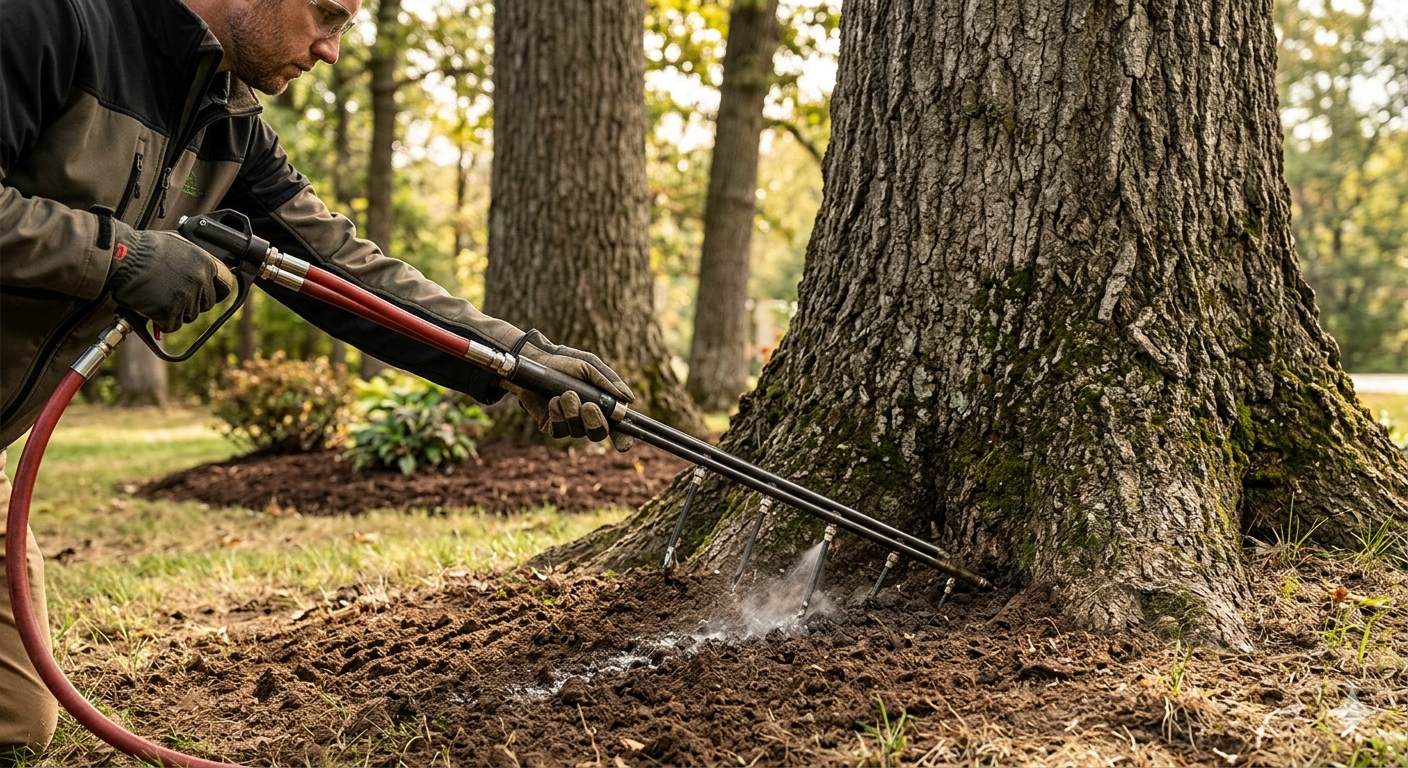
We deploy closed-system trunk infusions or deep root soil drenches, delivering therapeutics directly into the vascular system without drift.
Ongoing Monitoring
Tree health is a marathon, not a sprint. We implement a seasonal monitoring schedule to ensure the pathogen is eradicated and vitality returns.
Targeted
Treatments.
Emerald Ash Borer Defense
Preventative and therapeutic systemic injections to protect Ash trees from fatal EAB infestations.
Fungal Mitigation
Targeted fungicide applications to treat Apple Scab, Needle Cast, and structural root rots.
Systemic Trunk Injections
Direct-to-vascular delivery of nutrients and pest control, eliminating chemical drift into your yard.
Deep Root Fertilization
Injecting custom-blended liquid bio-stimulants directly into the root zone for rapid absorption.
Dormant Oil Applications
Winter and early spring horticultural oil sprays to safely smother overwintering insect eggs.
Soil Microbiome Repair
Restoring depleted suburban soils with beneficial mycorrhizal fungi to naturalize root health.
Common Questions.
Is it too late to treat my Ash tree for Emerald Ash Borer?
Are your pesticide treatments safe for my pets and family?
Why do my evergreen trees look brown on the inside?
How often does a tree need deep root fertilization?
Protect The
Investment.
Discolored leaves, premature leaf drop, and canopy dieback are signs of severe stress. Request an immediate arborist evaluation before the damage is irreversible.
Schedule Evaluation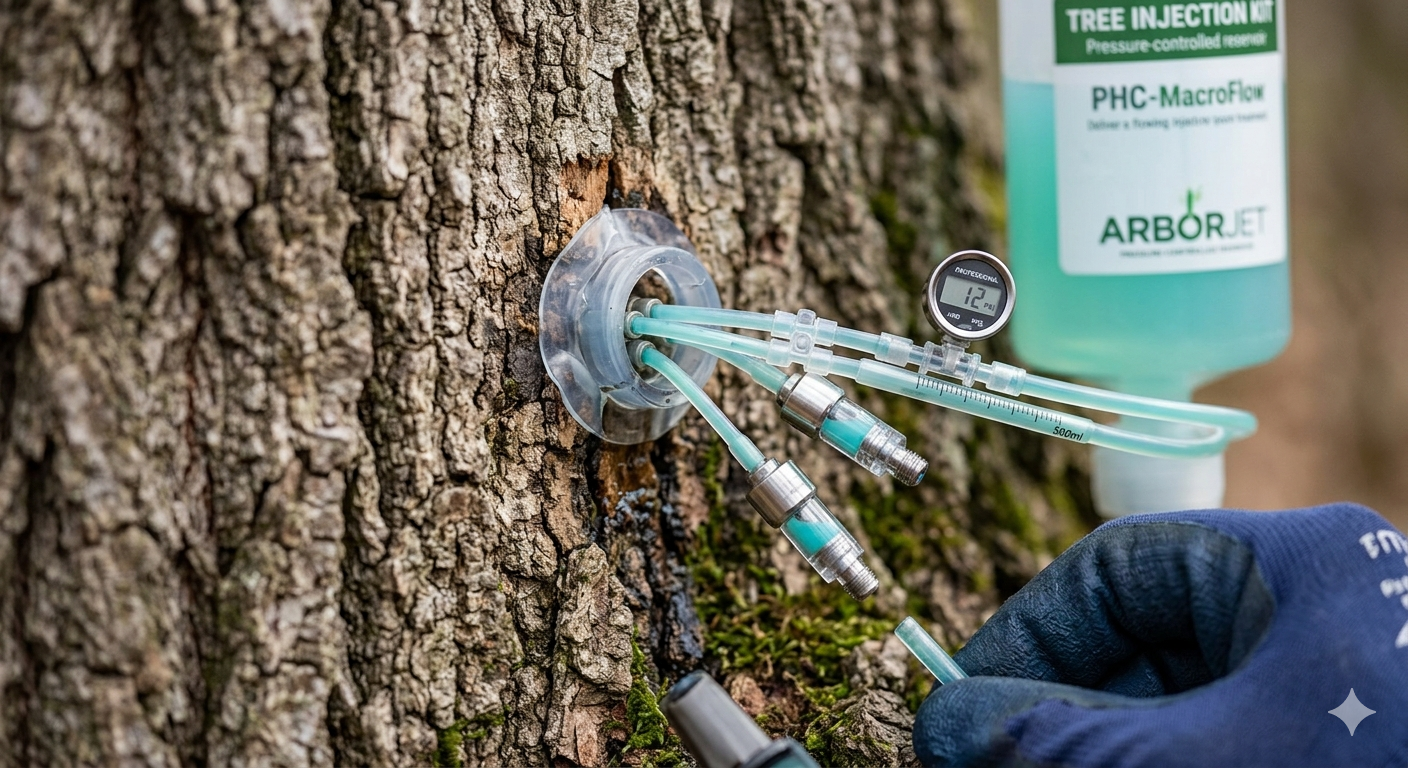
The
Technical.
Disease and pest management is most effective when issues are identified before visible decline becomes severe.
Buffalo trees and shrubs face stress from insects, fungal pressure, compacted soil, and changing seasonal conditions. Once canopy loss or visible decline becomes advanced, recovery options narrow quickly. A targeted plant health approach helps preserve valuable trees and limit the spread of damage across the property.
Early Intervention
Evaluating leaf loss, bark changes, dieback, and pest activity early gives property owners more treatment options and better outcomes.
Targeted Treatment Strategy
The right treatment plan depends on the species, the stress factor involved, and whether the goal is preservation, recovery, or controlled removal.
Protects Landscape Investment
High-value trees and ornamental plantings often anchor the appearance and shade value of the entire property, so preserving them matters.
For Western New York properties, disease and pest management is not just a reactive service. It is a practical way to extend tree life, reduce avoidable decline, and protect the long-term value of the landscape.
Explore the next service that fits your property.
Many projects overlap. These services are commonly scheduled together to improve curb appeal, safety, and year-round property care.
Tree Services
Combine diagnosis and treatment with corrective pruning and canopy management.
Arborist Consulting
Get a higher-level health and risk evaluation for valuable landscape trees.
Tree Planting
Replace declining trees with better-suited species for long-term site success.