
The Right Tree, Right Place Approach
Review important tree-placement factors including available space, nearby structures, overhead utilities, sunlight, drainage, and long-term growth.
Taj Landscaping
Buffalo, New York
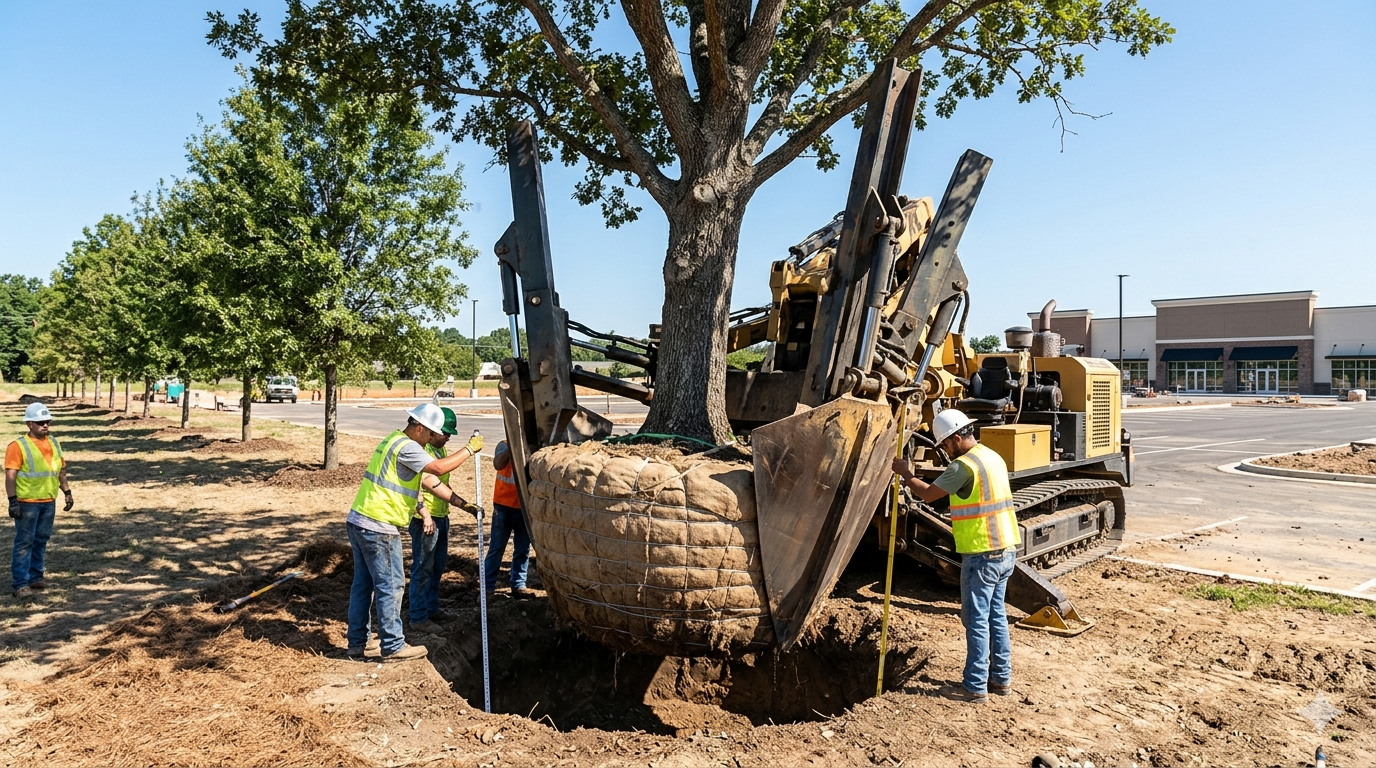
Tree Selection Starts With Available Space
A tree that looks small at planting can eventually occupy much more space above and below ground. Mature size should be considered when choosing a location.
Nearby buildings, driveways, walkways, fences, utilities, neighboring properties, and existing landscape features can all affect whether a planting location is suitable.
Sunlight and Drainage Matter
Different trees tolerate different levels of sun, shade, moisture, and soil conditions. A species that performs well in one area of a property may struggle in another.
Standing water, compacted areas, heavily disturbed soil, or very dry locations can influence establishment and long-term performance.
Consider What the Tree Is Supposed to Do
The purpose of the planting can help narrow the options. A tree intended for shade may require a different location and mature form than one selected mainly for seasonal interest or screening.
- Shade
- Privacy or screening
- Seasonal color
- Landscape structure
- Replacement planting
- Street or front-yard appearance
Think Beyond the Day of Planting
Good placement considers how the tree may interact with the property in later years, not only whether it fits today.
Planning for mature canopy size, surrounding structures, utilities, maintenance access, and future pruning needs can reduce avoidable conflicts as the tree grows.
Related Services
Explore Services Related to This Guide
Property Service Request
Have a Similar Property Question?
Tell us the property location, service you are considering, and what you want addressed.